But beyond its well-known dangers lies something even more intriguing,
a deep reservoir of cryptids and folklore that rivals any region on Earth.
This isn’t just a land of snakes and spiders.
Reincarnation & More
Australian Cryptids Field notes from the edges
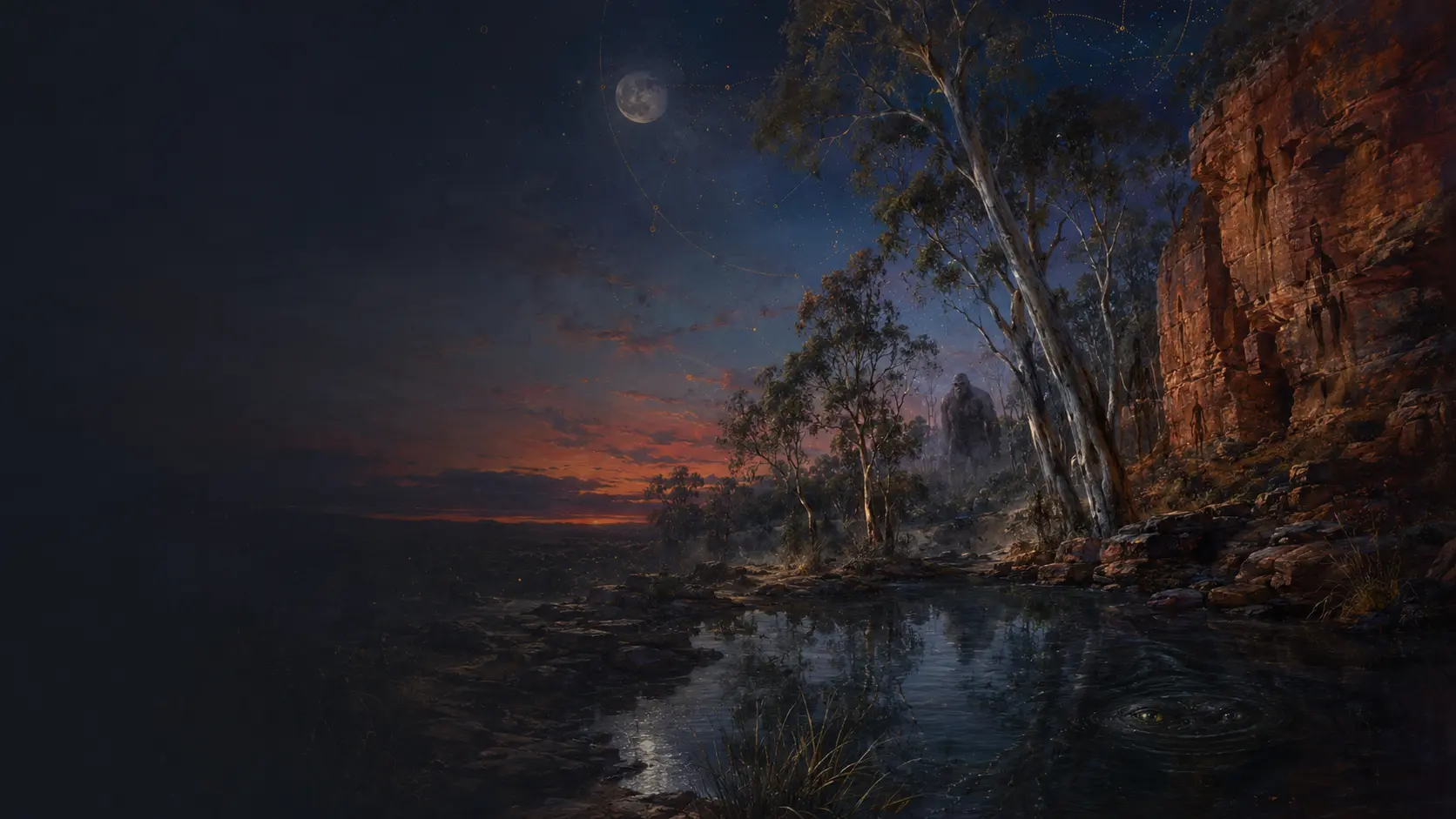
Australia’s Hidden Cryptid World
Australia has never been short on things that can kill you.
Enter the field journal↓02 Waterway record
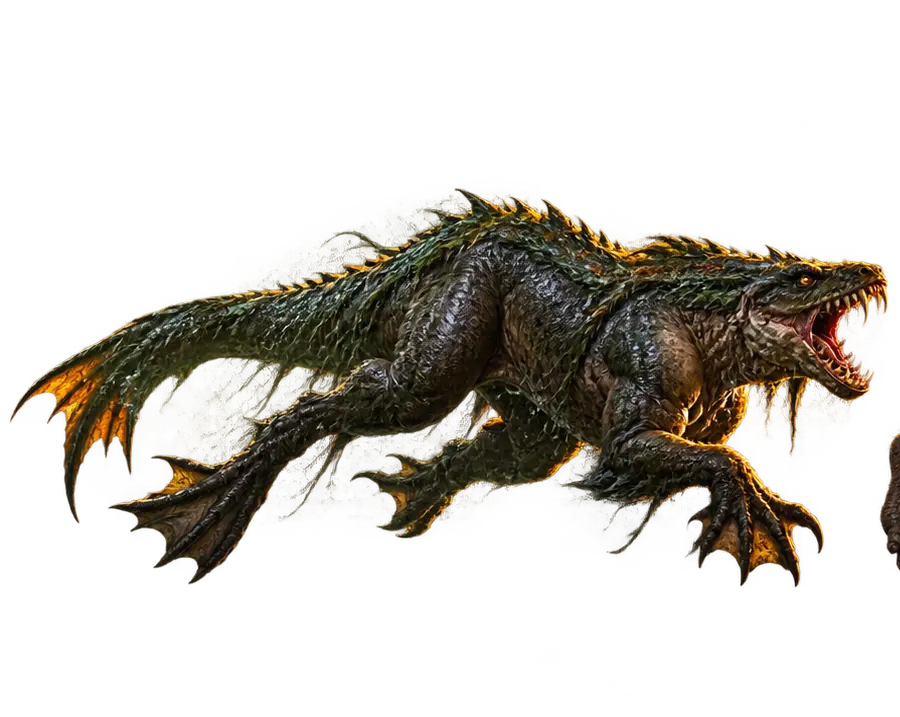
Take the bunyip, for example, a creature said to lurk in swamps and waterways,
known for its eerie cries after dark and its supposed appetite for human prey.
Early colonial accounts suggest that even English settlers took these stories seriously,
with some believing they were warnings from Aboriginal tribes about venturing too far into dangerous territory.
03 Bushland record
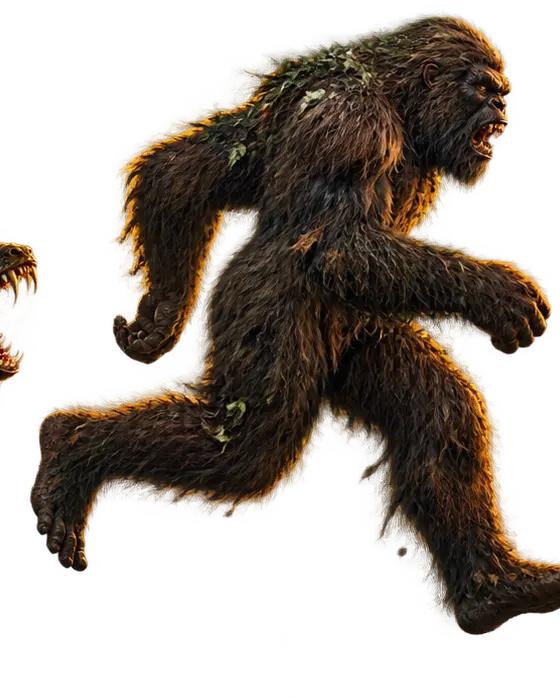
Then there’s Australia’s answer to Bigfoot: the Yowie.
Sightings date back to the late 1700s, not long after European settlement began.
Described as large, ape-like, and elusive, the Yowie has inspired generations of hunters and researchers
searching for proof of its existence, much like its North American counterpart.
04 Rock-crevice record
But not all entities in Australian folklore are purely monstrous.
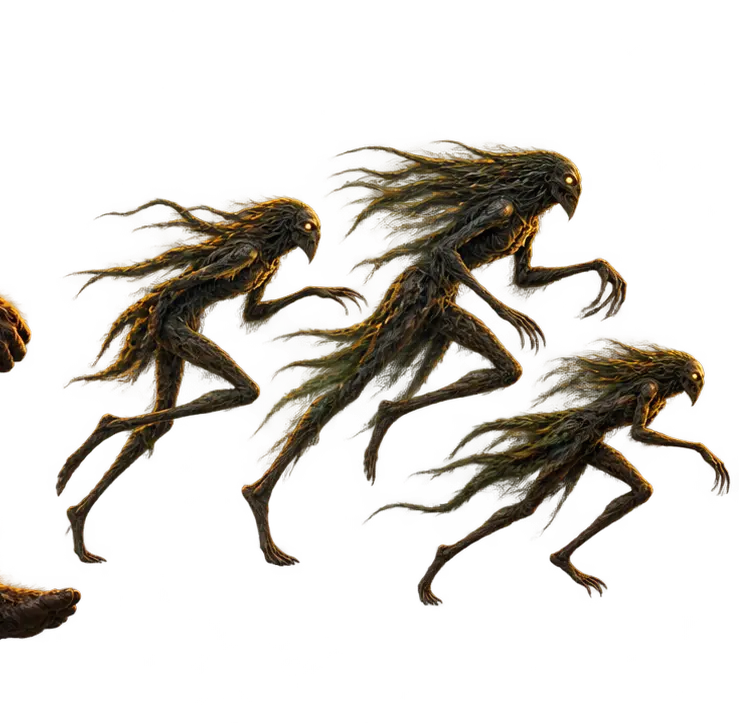
The Mimi spirits occupy a more ambiguous space.
Described as thin, elongated beings living within rock crevices,
they are said to have once taught early humans how to hunt, cook, and create art.
Yet despite their cultural significance, they are not to be approached lightly.
Like many ancient beings, they exist somewhere between guide and danger.05 Traditions transformed
Modern Australian media continues to draw from these traditions.
Films, literature, and even music have embraced these creatures,
transforming them into symbols of something deeper, something primal.
06 A modern encounter
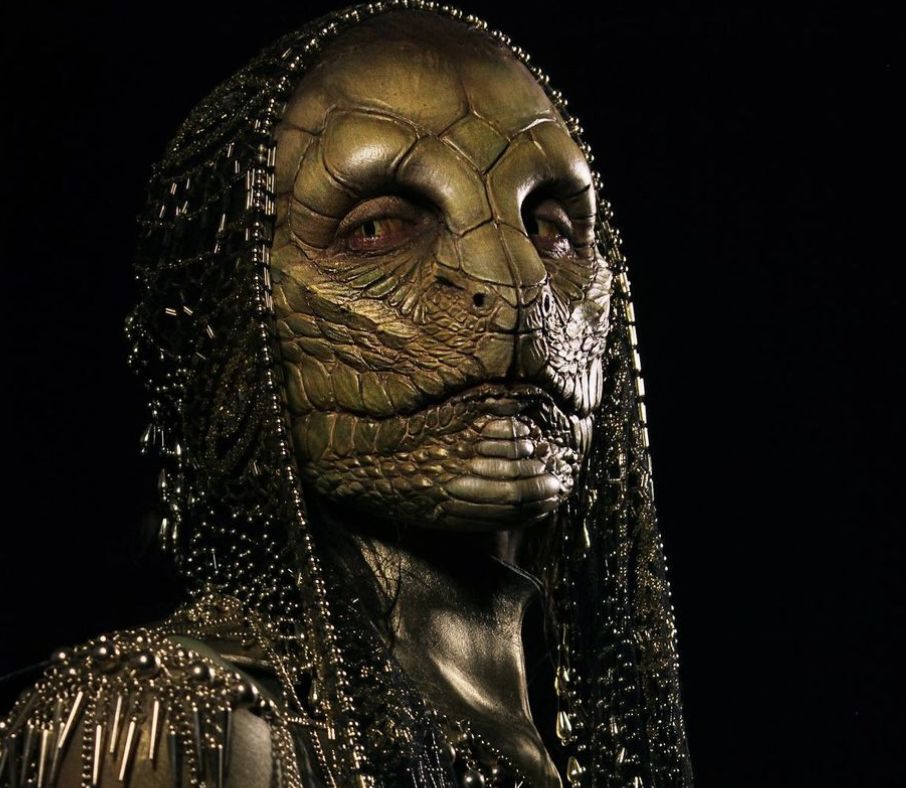
A recent example appears in The Wind Rose Conspiracy by Lukman Clark,
where the protagonist encounters a mysterious figure known as the Crocodile Lady,
an entity that feels less like fiction and more like something pulled from an older, hidden reality.
07 Uncatalogued evidence
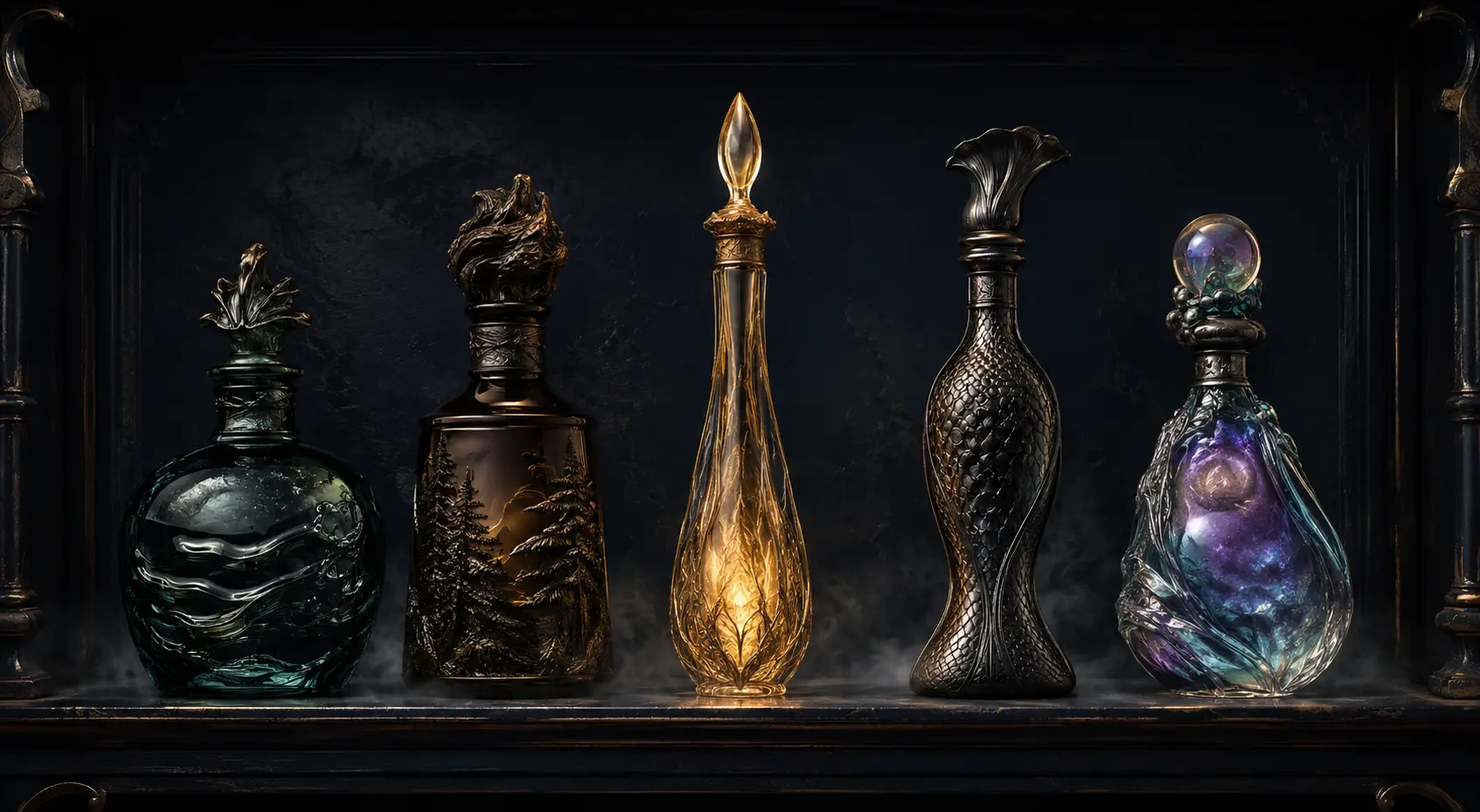
Half field evidence. Half questionable merchandising decision.
Five fragrances have surfaced from the edges of the field journal. Select a bottle, inspect its notes and discover which scent has apparently been tracking you.
Fictional fragrances. Real cryptids remain notoriously difficult to bottle.08 The larger question
Which raises a bigger question: Why do these stories persist?
They are reflections of the unknown, encoded into culture,
passed down through generations, and resurfacing in new forms.
Australia doesn’t just have dangerous wildlife.
It has a mythology that suggests something else entirely may be watching from the edges.09 Continue the journey
You’ve heard of her but who was she really?
Find out the untold story of Hypatia
of Alexandria as told by her own hand.
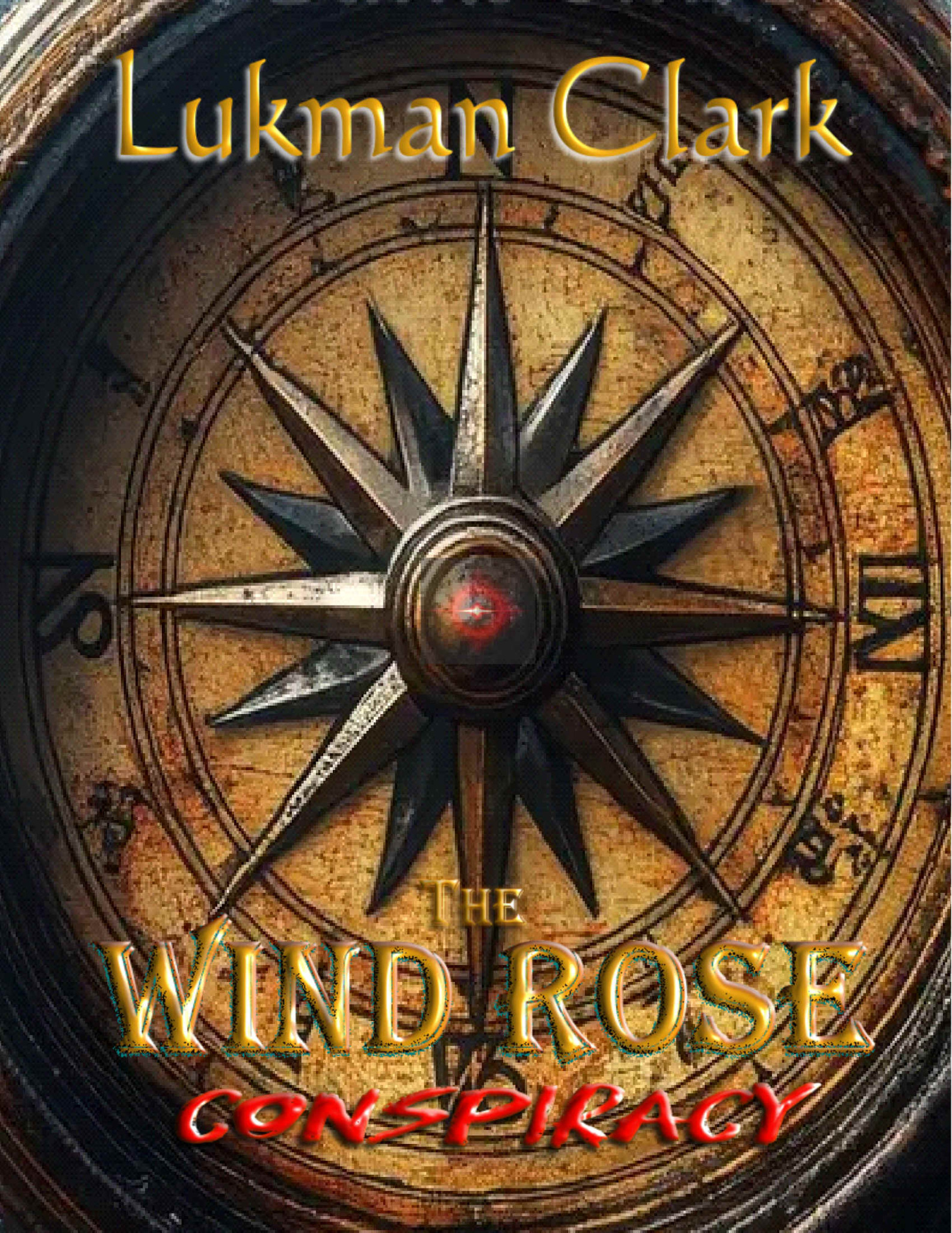
Wind Rose is a reimagined and expanded version of The Alexandria Scrolls, blending elements from the author’s award-winning screenplay into a cinematic, fast-moving narrative. After his parents’ mysterious plane crash in the Timor Sea, Brandon Blake is drawn into a mind-altering spiritual journey that begins with hypno-regression and unfolds across past lives, ancient mysteries, and hidden realms.
As a relic hunter navigating encounters with mythical forces and unexplained phenomena, he must rely on intuition, divination, and emerging psychic abilities to uncover the truth. Ultimately, his journey becomes a search not just for answers, but for purpose, love, and the direction his life is meant to take.