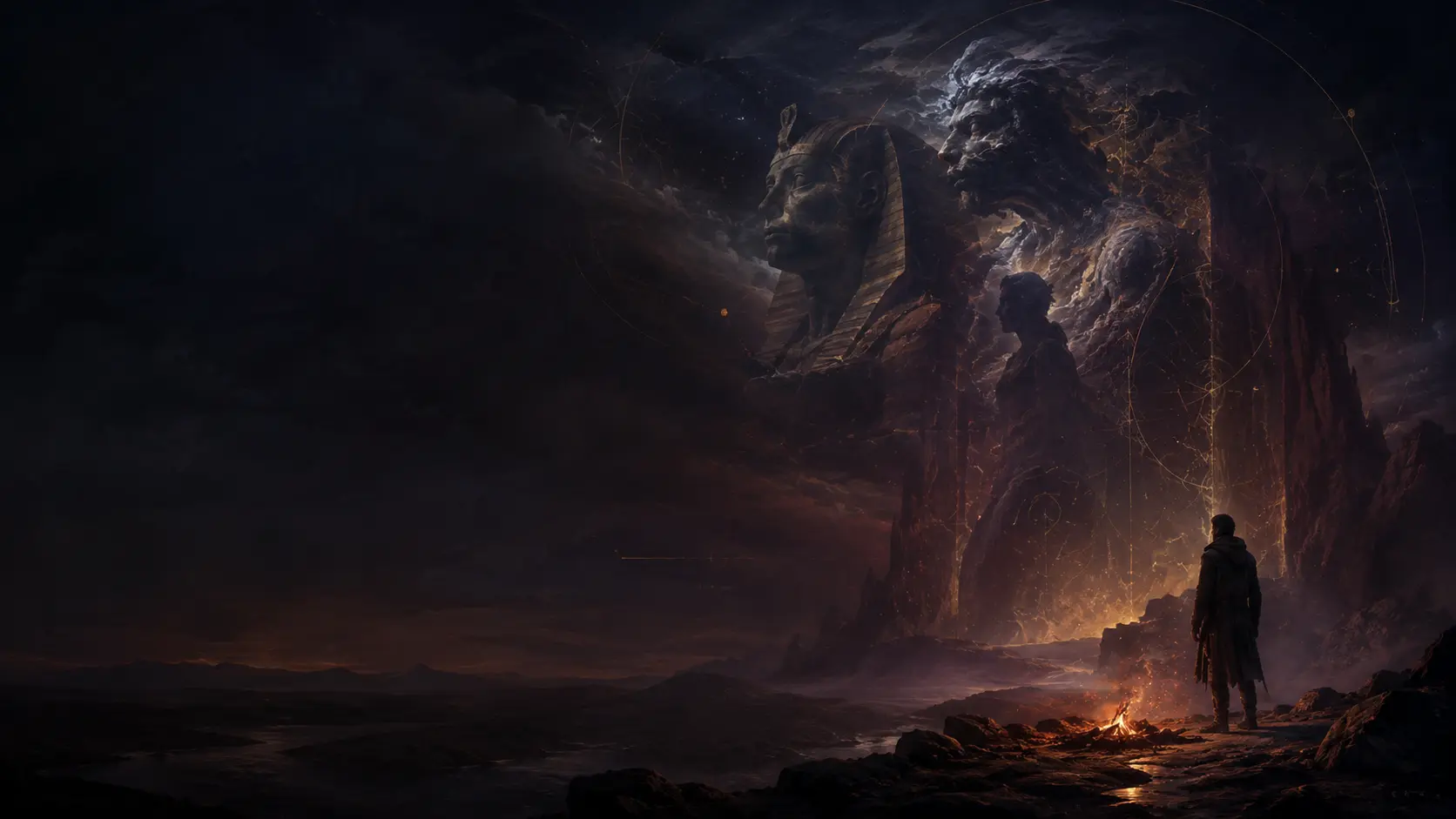
We’re told monsters aren’t real.
But we know better.
Because monsters take many forms.
Reincarnation & More
Monsters & Meaning A field guide to the unknown
There are monsters.
They live at the edges of our awareness, hovering just beyond the reach of reason.
Step beyond the firelight↓01 Just beyond reason
Sometimes they whisper from the dark corners of a room.
Other times, they wait just outside the glow of a dying campfire.
We’re told monsters aren’t real.
But we know better.
Because monsters take many forms.
02 A taxonomy of fear
Some rise from nature itself, representing forces beyond human control.
Others are born from science, like Frankenstein’s creation,
reflecting our fear of what happens when knowledge outpaces wisdom.
03 The monster within
Then there are the ones closer to home.
These are not creatures we encounter in the wild, they are reflections of what we suppress within ourselves.
04 Beneath the surface
And then, of course, there are the most terrifying monsters of all:
The human ones.They walk among us. They look like us. Their distortion is not visible, it lives beneath the surface.
History is filled with them, and unlike legends, they do not stay confined to myth.
05 The necessary disruption
Because they serve a purpose.
Monsters disrupt the natural order. They challenge what we believe is safe, stable, and understood.
In doing so, they force us to confront the unknown, both in the world and within ourselves.
06 Across myth and story
From the Sphinx of ancient Greece to the creations of Shelley and Stevenson, monsters have always functioned as gateways,
forcing us to think, to adapt, and ultimately to evolve. Even modern stories continue this tradition.
In The Wind Rose Conspiracy by Lukman Clark, the character Brandon Blake
encounters beings that blur the line between external threat and internal transformation.
These are not simply obstacles—they are catalysts.
07 What waits beyond fear
Because in the end, monsters are not just something we fear.
They are something we need.They reveal what we are capable of becoming, if we have the courage to face them.
08 Continue the journey
You’ve heard of her but who was she really?
Find out the untold story of Hypatia
of Alexandria as told by her own hand.
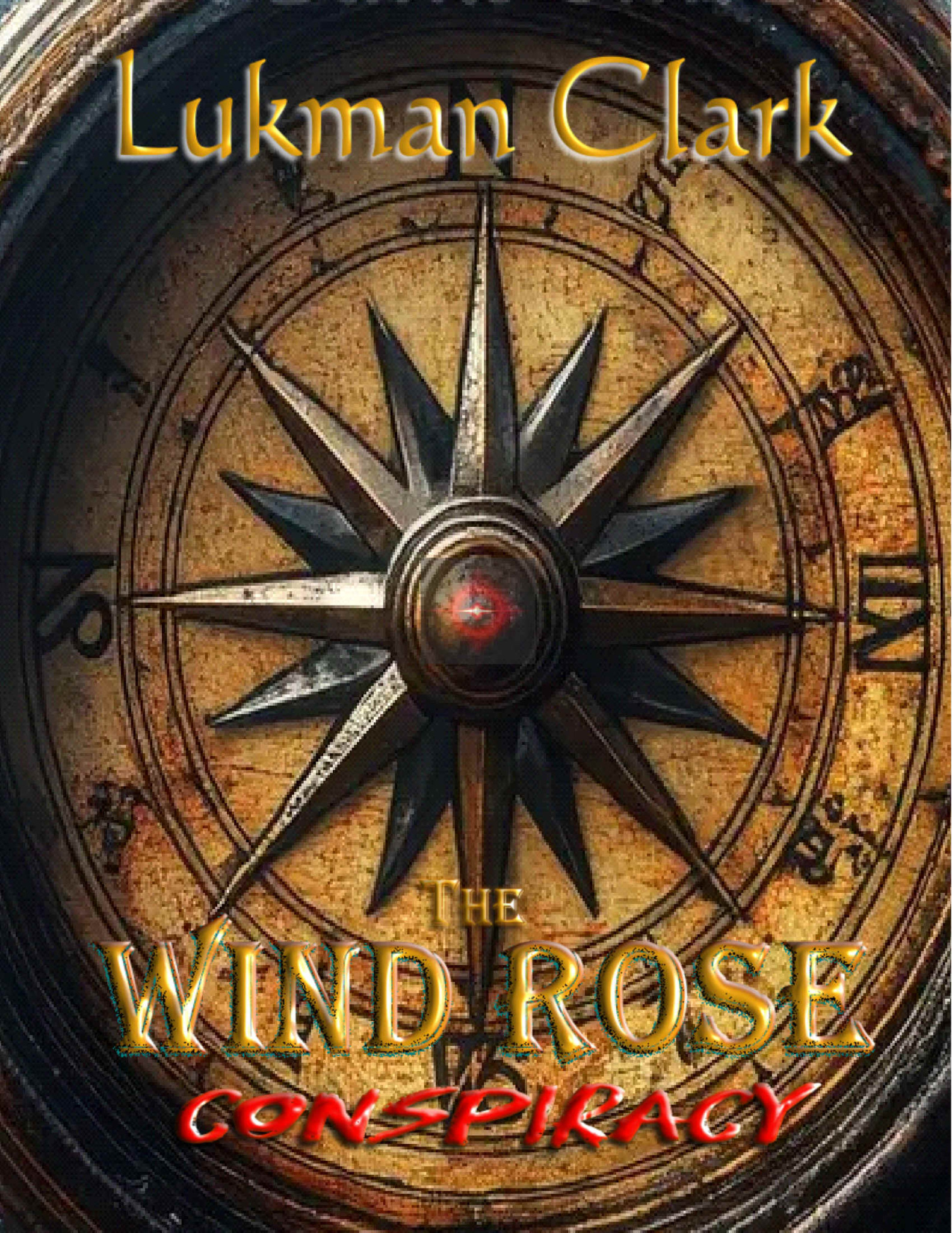
Wind Rose is a reimagined and expanded version of The Alexandria Scrolls, blending elements from the author’s award-winning screenplay into a cinematic, fast-moving narrative. After his parents’ mysterious plane crash in the Timor Sea, Brandon Blake is drawn into a mind-altering spiritual journey that begins with hypno-regression and unfolds across past lives, ancient mysteries, and hidden realms.
As a relic hunter navigating encounters with mythical forces and unexplained phenomena, he must rely on intuition, divination, and emerging psychic abilities to uncover the truth. Ultimately, his journey becomes a search not just for answers, but for purpose, love, and the direction his life is meant to take.